Deer Collision Repair in Pottsville, PA
Pennsylvania consistently ranks among the top states in the nation for deer-vehicle collisions, with over 115,000 reported incidents each year. Schuylkill County, with its heavily wooded landscape and extensive network of rural roads, is one of the highest-risk areas in the state. Routes like 61, 209, and I-81 cut through prime deer habitat, and during the peak season from October through December -- when deer are most active during mating season -- collisions become a near-daily occurrence for local drivers.
Deer season is here. From now through December, deer strikes are a big share of what comes through our doors, on every make and model: cars, SUVs, and trucks. If you hit one, do not wait for the insurance company to tell you where to go. You choose the shop, and we handle the claim.
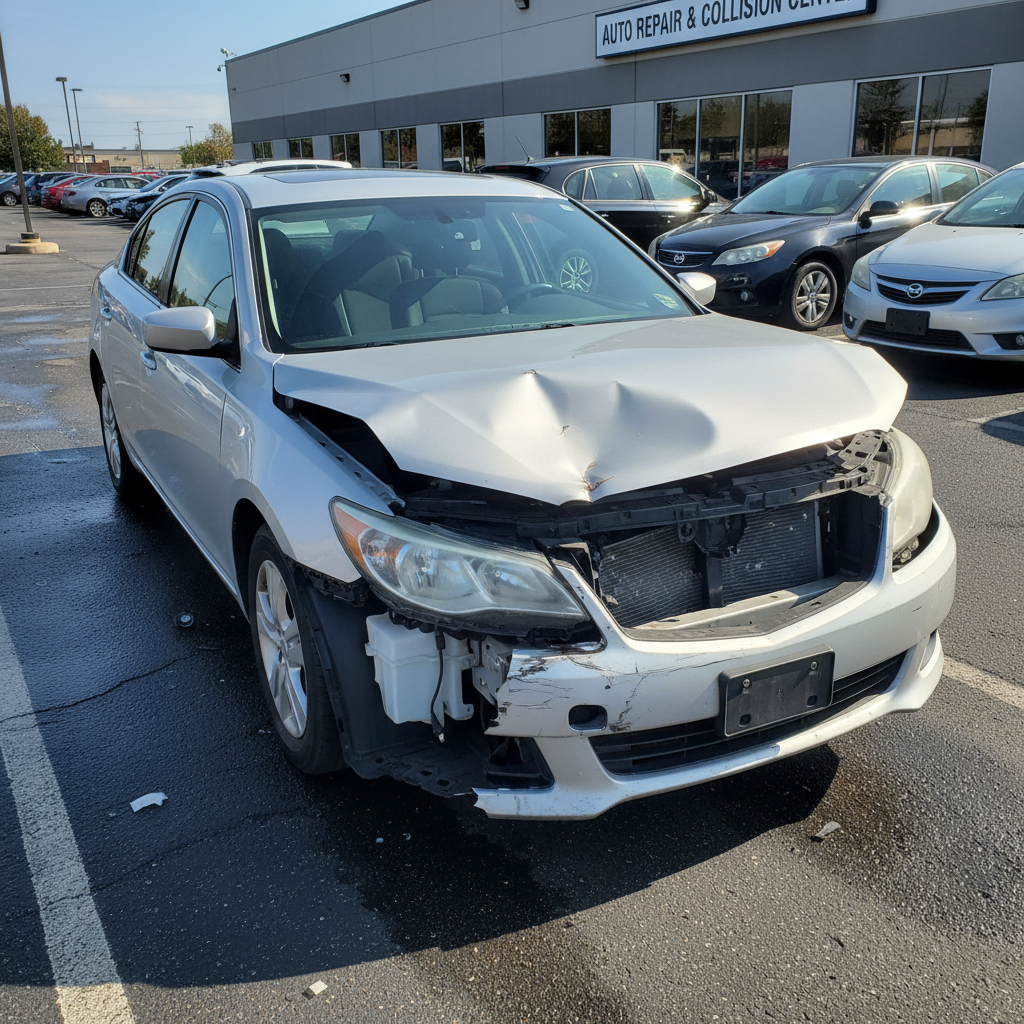
At Bob Weaver Collision, we repair deer strike damage year-round and see a significant increase in these jobs every fall and early winter. Whether a deer ran into the side of your vehicle on a country road or you hit one head-on at highway speed, we have the equipment, parts sourcing, and experience to handle repairs of any severity. From a cracked bumper cover and a broken headlight to a crushed hood, destroyed radiator, and bent frame rails, we restore deer-damaged vehicles to their pre-collision condition.
Common Damage From Deer Collisions
The severity of deer collision damage depends on the speed of impact, the size of the deer, and the angle of the strike. A white-tailed deer in Pennsylvania averages 125 to 200 pounds, and at highway speeds, the force of impact can be devastating. Here are the most common types of damage we repair after deer strikes:
- Front bumper and bumper cover -- The bumper absorbs the initial impact and is almost always damaged in a deer collision. Cracks, splits, and complete detachment are common, along with damage to the bumper reinforcement bar and foam absorber behind the cover.
- Hood damage -- A deer's body often rolls up and over the bumper, striking the hood with significant force. Hoods are frequently bent, creased, or caved in, requiring either professional repair or full replacement.
- Fender damage -- Glancing strikes or impacts with a running deer frequently damage one or both front fenders. Dents, tears, and pushed-in fender panels are typical.
- Headlights and fog lights -- The headlight assemblies and fog light housings sit directly in the impact zone and are frequently shattered or pushed out of their mounting brackets.
- Grille and radiator -- The front grille is usually destroyed on impact, and the radiator behind it can be punctured or pushed backward, causing coolant leaks that make the vehicle undrivable.
- Radiator support and core support -- The structural cradle that holds the radiator, condenser, and front-end components can bend or crack from the force of a deer strike, especially at speeds above 40 mph.
- Windshield and A-pillars -- In high-speed collisions, a deer can roll up the hood and strike the windshield, cracking or shattering it. In rare cases, the A-pillars can also sustain damage.
- Side mirrors and door panels -- If the deer strikes the side of the vehicle rather than the front, mirrors, doors, and quarter panels may be dented, scratched, or crushed.
- Mechanical components -- Radiator fans, AC condensers, power steering lines, wiring harnesses, and sensor assemblies in the front end can all be damaged or destroyed by the force of impact.
Our Deer Collision Repair Process
Deer collision repair typically involves multiple vehicle systems, so we follow a thorough, systematic process to ensure nothing is missed:
- Complete damage inspection: We begin with a detailed visual and hands-on assessment of the entire front end -- and sides, if applicable. We check not just the obvious body damage but also mechanical systems, fluid lines, electrical wiring, sensors, and structural components that may have been affected.
- Comprehensive estimate: We document every damaged component with photos and measurements, then prepare a detailed written estimate. For insurance claims, we submit this estimate directly to your provider along with all supporting documentation.
- Insurance coordination: Deer collisions are covered under your comprehensive auto insurance -- not collision coverage. We handle the entire claims process, from initial filing to supplement negotiations. Our insurance claims team works with all major providers to keep the process moving efficiently.
- Disassembly and hidden damage discovery: Once the repair is authorized, we remove the damaged panels and components to access and inspect the areas behind them. It is common to find additional damage that was not visible during the initial inspection -- bent brackets, cracked supports, damaged wiring. We document any supplemental damage and coordinate approval with your insurer before proceeding.
- Structural repair: If the radiator support, frame rails, or other structural components are bent or damaged, we use our computerized frame straightening equipment to restore them to factory specifications. Every measurement is verified against manufacturer data.
- Parts replacement: We replace all damaged components -- bumper covers, hoods, fenders, headlights, grilles, radiators, and mechanical parts -- with OEM or quality aftermarket parts. We source parts efficiently to minimize wait times and keep your repair on schedule.
- Painting and finishing: All replacement and repaired panels receive factory-matched paint applied in our downdraft spray booth. We blend into adjacent panels for a seamless color match that is indistinguishable from the original finish.
- Reassembly and systems check: We reinstall all components, reconnect electrical systems, refill fluids, and verify that headlights, sensors, fans, and all mechanical systems function correctly. Because a deer strike almost always disturbs the bumper, grille, and windshield, we recalibrate the driver-assist cameras and radar in-house before the vehicle leaves.
- Final quality inspection: Before releasing your vehicle, we perform a multi-point inspection covering body fit and finish, paint quality, light operation, fluid levels, and a test drive to confirm everything operates as it should.
Is My Car Safe to Drive After Hitting a Deer?
This is the first question most drivers ask after a deer collision, and the answer depends on the extent of the damage. Your vehicle is NOT safe to drive if any of the following conditions exist:
- Coolant, oil, or other fluids are leaking onto the ground
- The radiator is visibly damaged or the temperature gauge is rising
- A headlight is not working (especially if the collision happened at night)
- The hood is buckled or obstructing your view of the road
- The bumper is dragging or detached and could fall into traffic
- You hear grinding, scraping, or unusual mechanical noise
- The steering feels loose, pulls to one side, or the wheels are misaligned
- Airbags deployed during the collision
If any of these conditions are present, pull over safely and call for a tow. Driving a damaged vehicle can turn a repairable situation into a total loss and puts you and other drivers at serious risk. If the damage appears limited to cosmetic panels and all systems seem functional, you can likely drive to our shop, but we still recommend having the vehicle towed or driving at reduced speed with your hazard lights on.
Insurance Coverage for Deer Collisions
An important fact that many drivers do not realize: deer collision damage is covered under the comprehensive portion of your auto insurance policy, not the collision portion. Comprehensive coverage handles damage caused by events outside your control, including animal strikes, hail, falling objects, theft, and vandalism. This distinction matters because comprehensive claims typically carry a lower deductible than collision claims and generally do not affect your insurance premiums.
If you carry comprehensive coverage, your insurer will cover the cost of repair minus your deductible. If your vehicle is totaled -- meaning the repair cost exceeds a certain percentage of the vehicle's value -- the insurer will pay out the vehicle's actual cash value.
At Bob Weaver Collision, we handle the entire insurance process for deer collision repairs. We document the damage, file the claim, communicate with the adjuster, and manage any supplement requests. Our goal is to make the experience as painless as possible during an already frustrating situation. Learn more on our insurance claims page.
Tips to Reduce Your Risk of a Deer Collision
While you cannot eliminate the risk entirely when driving in Schuylkill County, these precautions can significantly reduce your chances of hitting a deer:
- Be most alert from October through December. This is deer mating season (the rut), and deer are unusually active and unpredictable. Dawn and dusk are the highest-risk times.
- Watch for deer crossing signs. These signs are placed in areas where deer-vehicle collisions have been documented. Slow down and stay alert in these zones.
- Use high beams when possible. On unlit rural roads, high beams increase your visibility range and help you spot deer eyes reflecting light at a greater distance. Switch to low beams for oncoming traffic.
- Scan the road shoulders. Deer often stand at the edge of the road before crossing. If you see one deer, assume more are nearby -- they typically travel in groups.
- Do not swerve. If a collision is unavoidable, brake firmly and maintain your lane. Swerving to avoid a deer can send you into oncoming traffic, a ditch, or a tree, which is often far more dangerous than the deer strike itself.
- Report the collision. File a police report, even for minor damage. The report documents the incident for your insurance claim and helps the state track collision hotspots.
Why Choose Bob Weaver for Deer Collision Repair
- Local expertise: We repair deer-damaged vehicles from across Schuylkill County every season. Our technicians understand the typical damage patterns and know exactly where to look for hidden issues that less experienced shops might miss.
- Complete repair capability: From cosmetic fender work to structural frame straightening, radiator replacement, headlight restoration, and glass repair -- we handle every aspect of the repair under one roof. No subcontracting, no runaround.
- Insurance coordination: We work with all major insurance providers and manage the comprehensive claims process from start to finish. We advocate for proper repairs and fight for supplements when hidden damage is discovered.
- OEM and quality parts: We source the right parts for your specific vehicle, prioritizing OEM components and using only proven aftermarket alternatives when appropriate.
- Lifetime warranty: Every deer collision repair is backed by our lifetime workmanship warranty. We stand behind the quality of our work for as long as you own the vehicle.
Serving Pottsville and surrounding Schuylkill County communities including Schuylkill Haven, Minersville, Orwigsburg, and beyond.
Get Your Free Estimate
Hit a deer? Bring your vehicle to Bob Weaver Collision or call us to arrange a tow. We will assess the damage, explain your repair options, and help you file your comprehensive insurance claim -- all at no charge.
Get a Free EstimateOr call us at (800) 299-0448